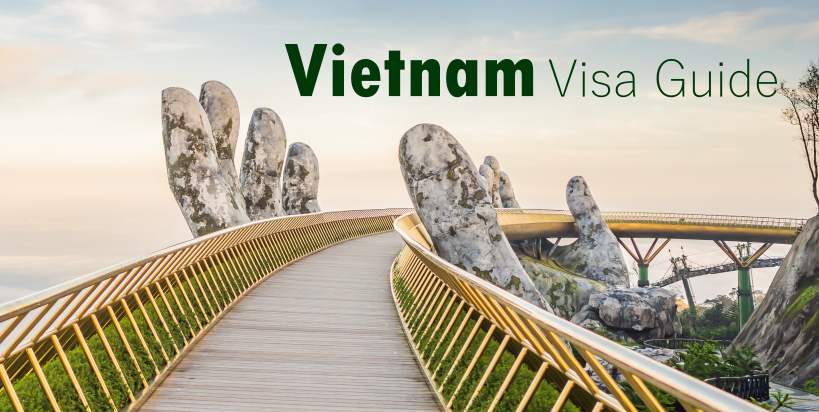
Vietnam Visa Guide for Travellers – Everything You Need to Know
Vietnam is one of Southeast Asia’s most fascinating countries, known for its rich culture, stunning natural landscapes, and vibrant cities. Whether you’re visiting for leisure, business, or transit, understanding the Vietnam visa process will help you enjoy a stress-free journey from start to finish.
1. Do You Need a Visa for Vietnam?
Most international travellers require a visa to enter Vietnam. However, visa exemptions are available for citizens of select countries, primarily from Southeast Asia and parts of Europe.
Depending on your nationality, visa-free entry may be allowed for stays ranging from 14 to 45 days. It’s important to check the latest entry regulations on the official immigration website or consult with a visa expert before your trip.
Vietnam offers several types of visas depending on the purpose and duration of your visit:
• Tourist Visa (DL) – Ideal for sightseeing, leisure, or visiting friends and family.
• Business Visa (DN) – Required for attending meetings, conferences, or handling business activities.
• Student or Work Visa – For long-term academic courses or employment in Vietnam.
• Transit Visa – For short layovers or travel through Vietnam en route to another country.
Choosing the right visa type ensures your entry and stay are legally compliant.
3. Required Documents for Vietnam Visa
Regardless of the visa type, travelers generally need to prepare the following documents:
• A valid passport (minimum 6 months validity from your date of entry)
• Passport-size photos (4x6 cm, white background)
• A completed visa application form
• Additional documents (such as invitation letters or flight details) may be required for certain visa types.
4. Processing Time & Fees
The Vietnam visa process is quick and efficient:
• E-Visa: Processed within 3–5 working days. Available for citizens of over 80 countries.
• Visa on Arrival (VOA): Requires a pre-approval letter (issued in 2–4 working days) which you present upon arrival at Vietnamese airports.
• Visa Fees: Vary depending on the type, duration, and nationality. E-visas typically have a flat government fee, while VOA fees include both service and stamping charges.
5. Essential Tips for a Smooth Entry
To ensure a stress-free arrival in Vietnam, keep the following tips in mind:
• Verify all visa details (dates, names, passport numbers) before departure.
• Keep printed copies of your visa or approval letter — digital copies may not be accepted at the border.
• Your passport should have at least two blank pages for visa stamps.
• Follow local laws, customs, and immigration protocols strictly.
Applying for a Vietnam visa is a simple and straightforward process when you’re informed and prepared. Whether you're off to cruise Ha Long Bay, dive into the food scene of Hanoi, or explore the natural wonders of Sapa, having the right visa ensures your journey begins smoothly. Need assistance with your Vietnam visa application? Our team can guide you through every step — from document preparation to approval.